It’s difficult to watch, and even enjoy, 28 Years Later: The Bone Temple without feeling increasingly aware of its, shall we say, apparent lack of need to exist. A direct sequel to last year’s 28 Years Later that forms a bridge to a pending trilogy capper, director Nia DaCosta’s horror thriller pulls together characters from the previous films for a small scale story that perhaps wouldn’t give off such strong side quest vibes if audiences today weren’t so conditioned to a method of franchise filmmaking that prioritizes plot-heavy reveals and Easter eggs culminating in massive, effects-driven set pieces that seem more intended to generate online chatter than relay a thoughtful story. If Danny Boyle’s 2025 return to the series he and writer Alex Garland created back in 2002 was surprising for its misdirects that swerved into a tender coming-of-age tale about the power of family, The Bone Temple is just as refreshing a treatise on holding tight to humanity in the face of great evil, somber and sweet without sacrificing the nauseating violence that fans have come to expect from the series.
The Bone Temple picks up where 28 Years Later’s epilogue left off, with Spike (Alfie Williams), the teenager who was picked up by “Sir Lord” Jimmy Crystal (Jack O’Connell) and his Fingers gang (all nicknamed “Jimmy,” all sporting shaggy blond wigs and matching sweat suits) after striking out on his own, being initiated into the group after killing another member in a fight to the death. Sir Jimmy wholeheartedly believes his father to be Satan, and he and his Fingers raid and pillage the surrounding area, torturing and killing survivors of the Rage Virus that turns the infected into violent, rampaging zombies as sacrifices. Meanwhile, Dr. Ian Kelson (Ralph Fiennes) continues to live and maintain the nearby Bone Temple that serves as a tribute to and final resting place of those killed by the infected, striking up a quasi-friendship with Samson (Chi Lewis-Perry), the Alpha infected who’s rendered sedate by the morphine from Kelson’s blowgun.
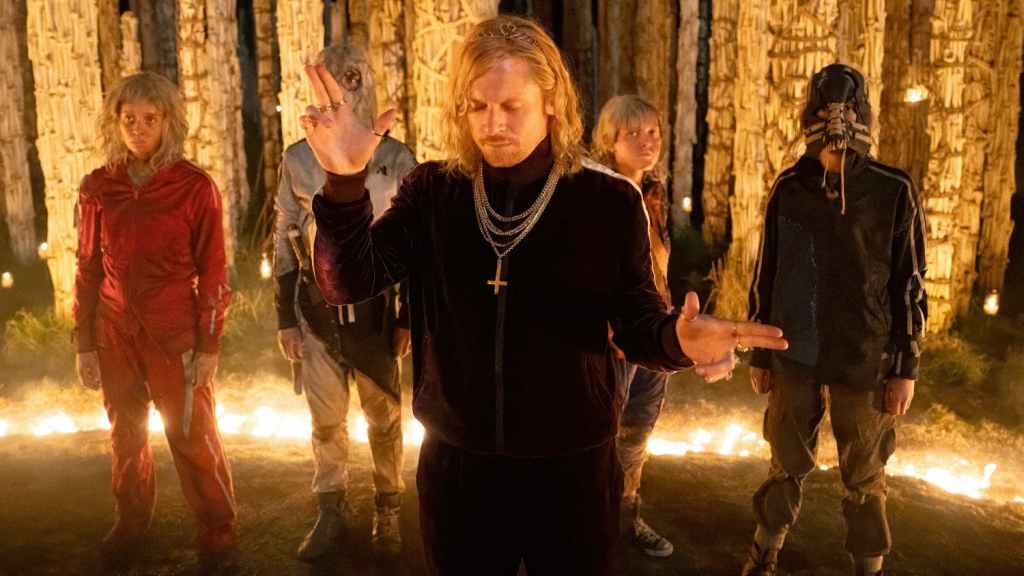
Eventually, these two storylines merge and characters’ paths cross, and it’s a credit to the steady beauty of DaCosta’s direction that they culminate not in fireworks, but in introspective character beats. There’s still a sense of dread hanging over much of the film; the scenes between Kelson and Samson, whether they are dancing to “Rio” or the former is talking to the latter, are gentle and lovely, but surely cannot last. Similarly, O’Connell is such a live-wire (an admittedly over-the-top performance that is nonetheless appropriate for the film and character he’s inhabiting) that his unpredictable behavior constantly dangles Spike’s fate before his— and our— eyes. These seemingly disparate pieces— the mundane and the gonzo— find commonality in Garland’s lean script, which questions the nature of good and evil at every turn with simple curiosity, largely framed through the perspective of Kelson. Fiennes’ third act turn as the doctor— kind, resourceful, level-headed— nearly stole the entirety of 28 Years Later. Here, on his own, divorced from the central conflict involving Spike, his humor and heart shine even brighter, illuminated by Fiennes’ committed performance. He’s certainly the most fleshed-out character of the film, which is more broadly philosophical, its musings broken up by propulsive action and memorable needle drops impeccably timed between Hildur Gudnadottir’s percussive score that seems to emerge organically from the bowels of the film’s darkest, bone-riddled elements. That that, along with DaCosta’s decidedly personal direction (she also worked with Gudnadottir and cinematographer Sean Bobbitt on 2025’s Hedda just prior to this movie), creates a different aesthetic compared to the previous 28 Days movies is a testament to how this series has emerged less as an effort to cash in on the success and familiarity of the first film, but as a playground for filmmakers to exercise their unique artistic sensibilities.
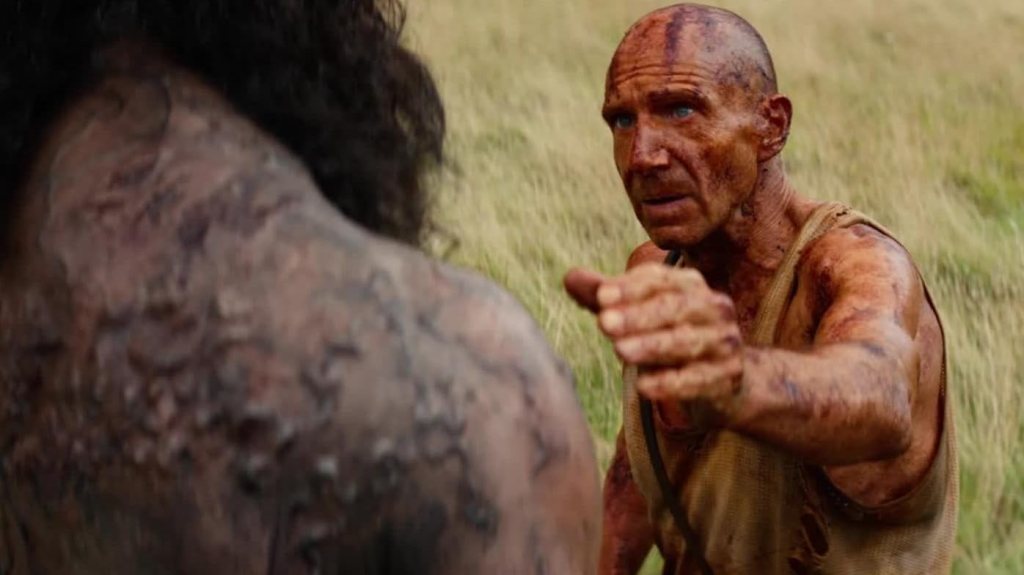
That alone makes The Bone Temple a worthy endeavor that transcends its minimal expository forward momentum. We witness just enough violence from both sides to be aware of the danger that lurks around every corner of this world: Samson rips a lone survivor’s head from his body. Sir Jimmy hangs and skins a trio of innocent survivors alive. We see how a messed-up world can prompt a search for faith in something or someone— the Fingers in Jimmy, Jimmy in Satan— and how that faith can curdle the mind into behaving in ways antithetical to the innate humanity we’re all born with. And while it’s pleasing to see the bad guys get their just desserts, there’s a deeper pleasure to be found in those moments when humanity thought lost begins to resurface: an infected learns to speak again. A misguided gang member (played by the reliably tough Erin Kellyman) chooses empathy over anger. And, in The Bone Temple’s perfect and gorgeous final scene, a father and daughter, nestled in their home, outside of harm, observe a pair of survivors running from a group of infected. “Dad, are we going to help them?” asks the girl. “Of course we are.”
28 Years Later: The Bone Temple is now playing in theaters. Runtime: 109 minutes. Rated R.

 Katie at the Movies
Happy New Year, Katie! Excellent review as ever. You make some astute points and have an interesting reading of the ending (in relation to the movie’s overall theme, etc.). Keep up the great work. It’s always a pleasure to read your reviews.
LikeLiked by 1 person
You’re too kind. Thank you and happy new year!
LikeLike
Excellent review! I liked the movie too. It was a wonderful surprise since I don’t expect much from sequels. However, this one was very good.
LikeLiked by 1 person