Unconventional biographic documentaries and sharp use of archival footage are the hallmarks of the following three films that screened at the 2026 True/False Film Fest in Columbia, Missouri: Barbara Forever uses the personal archives of pioneering lesbian filmmaker Barbara Hammer to tell the story of her life and career; Broken English depicts a fictionalized archive through which British singer/songwriter Marianne Faithfull and others discuss and reframe her personal and professional history; and in True North, Michéle Stephenson blends archival footage with new interviews to tell the urgent but oft-forgotten tale of Canada’s Black diaspora and civil rights movements.
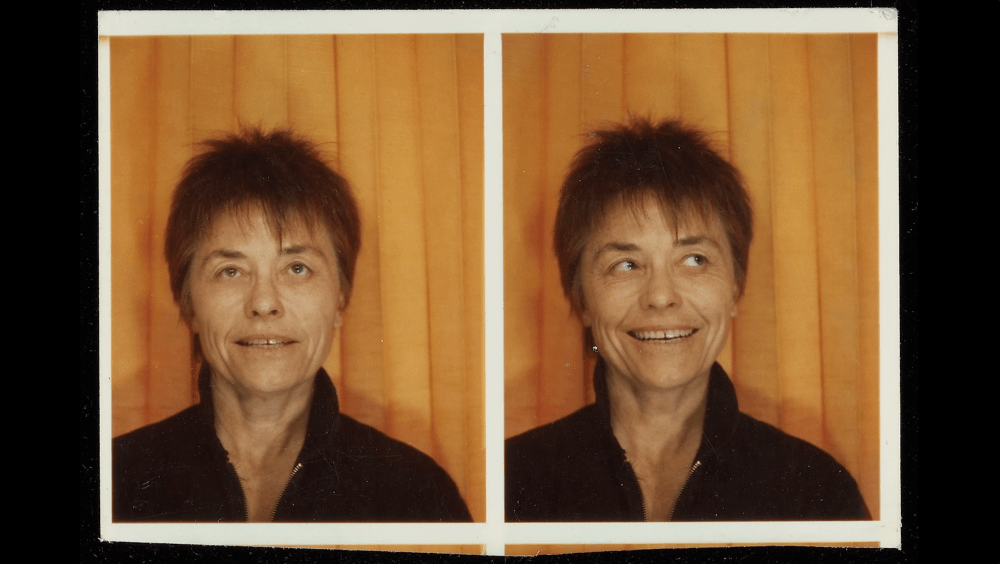
One of the most impressive parts of Barbara Forever— Brydie O’Connor’s archival-driven documentary about pioneering lesbian filmmaker Barbara Hammer— comes during the end credits. The sheer breadth of her filmography becomes astonishingly evident as title after title referenced in the documentary scrolls down the screen. They include the landmark 1974 short Dyketactics, a milestone for its tender depiction of lesbian lovemaking; 1992’s Nitrate Kisses, the feature-length documentary about the marginalization of LGBTQ people in media that garnered Hamemr more mainstream attention; and 2018’s Evidentiary Bodies, a performance piece that was ultimately Hammer’s final film before she passed away from cancer in 2019 at the age of 79.
Hammer’s filmography encompasses almost 100 films altogether, largely experimental works that touch on everything from body positivity to politics, autobiographical works and narratives that touch queer audiences at large. Her work was so singular, it’s hard not to wish that a film about her be just as boundary breaking, but Barbara Forever certainly comes close. It’s smartly structured in a way that works on multiple levels. O’Connor and her team dig deep into Hammer’s archives. Audio clips allow Hammer to tell her story in her own voice, beginning with what she considered the day she was really born— when she became a lesbian around her 30s, left her marriage, and began making films. Her storytelling showcases her vibrant personality, smart and insightful and funny, as she discusses everything from her craft to her relationships to her view on her illness later in life, accompanied by clips from her films and personal videos.
That wealth of materials, some never before seen, is impressive, but the most poignant piece of Barbara Forever is how involved Hammer’s partner, Florrie Burke, is in the project, both on and off camera. She laughs at the irony of how often she appears on camera now, when she never wanted Barbara to film her when she was alive. Burke took it upon herself to become the custodian of Hammer’s archives, and her moving interviews for this documentary transcend the film beyond mere bio-doc status. Barbara Forever is not only a movie about Hammer’s life and work, and the broader scope of queer cinema; it’s also a movie about maintaining your legacy, whether that’s through the preservation of physical pieces, or the passing on of your work to other artists to remix and make their own art in turn. O’Connor’s film, so ardently crafted, certainly goes a long way toward playing a part in that.
English singer and actress Marianne Faithfull was one of the most prominent female members of the British Invasion. She was enormously popular and successful on her own merit, but history has largely reduced her a footnote: Mick Jagger’s ex-girlfriend. Her four-year romance with The Rolling Stones frontman (in a story worthy of a Hollywood fairytale, she was discovered by their manager at one of their parties a couple of years earlier) was highly publicized.
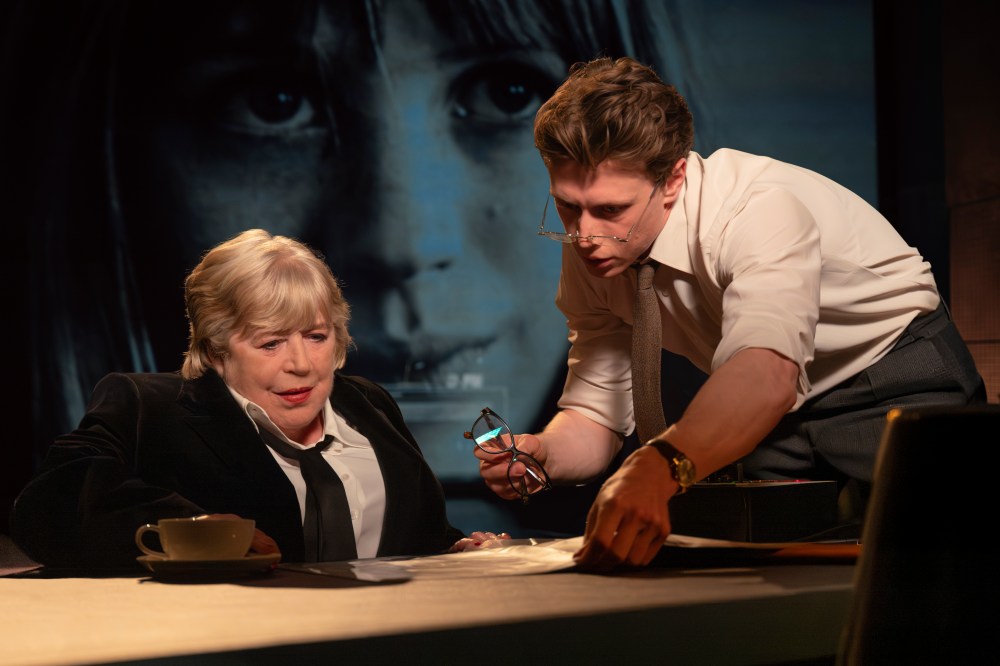
Directors Iain Forsyth and Jane Pollard seek to flip the narrative with their daring, semi-fictionalized documentary Broken English, named after Faithfull’s seventh and most definitive album, recorded after a substantial absence from performing. The film— which premiered at the Venice Film Festival last year— is set in a place named The Ministry of Not Forgetting. Its offices are home to tons of analog tech, which its staff employ throughout on their mission to essentially set the record straight, the Ministry’s Overseer (played by Tilda Swinton) firmly delineating the difference in phrasing between remembering and not forgetting. Faithfull herself, in her mid-70s and sporting the nasal cannula she’d had to wear after her bout with COVID-19 impacted her already weak lungs, is interviewed by the Record Keeper (George McKay), who shows her clips of herself in her younger years.
McKay may be playing a fictional character here, but he proves himself to be a thoughtful interviewer and a generous listener. It’s immensely moving to watch Faithfull watch herself (whether that be concert footage or clips from films like Tony Richardson’s 1969 adaptation of Hamlet, in which she played Ophelia), be confronted with all the stories that have been told about her, and take the chance to tell them in her own words, which she does with refreshing candor— like the overblown controversy over her song “Sister Morphine” for its drug references, for example. Unfortunately, the conceit of Forsyth and Pollard’s project somewhat distracts from that. At times, the film swerves away from the conversations between Faithfull and the Record Keeper to other characters’ reactions, including a panel of women who discuss the 1967 drug bust at Stones member Keith Richards’ home Redlands in Sussex, where Faithfull was discovered wearing only a fur rug. The incident blew up in the press, and ravaged her image. Broken English may have taken such an approach because Faithfull herself refused to talk about it; still, there’s an enormous amount of editorializing happening here, as well as in fits and spurts throughout the film. Swinton’s Overseer isn’t present in the film nearly as much as its marketing implies, and she’s ultimately one of its most unnecessary bits, while her character’s approach to unraveling Faithfull’s life irritatingly turns it into something akin to a true crime case that needs to be solved. Still, its ambition is worthy of its intriguing subject and the rich life she led. Faithfull passed away at the beginning of 2025, and Broken English— which is capped by her final performance— serves as an affecting tribute to who she was as a talent, and who she was as a human.
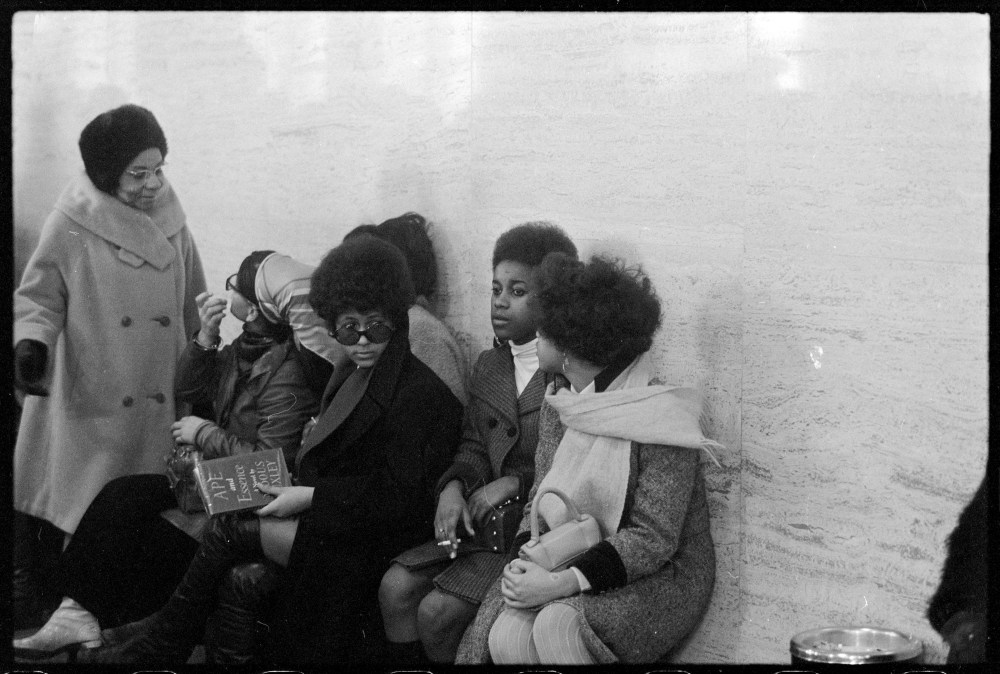
In her blistering and eye-opening documentary True North, director Michèle Stephenson sheds light on a little-discussed facet of Canadian civil rights history, primarily via a staggering wealth of archival footage. The film centers around the 1969 student protest at Montreal’s St. George Williams University (now Concordia University). The two-week standoff was incited by mounting evidence of racial discrimination being committed by the university’s professors against their Black students, from a vast disparity in grading (despite white students blatantly copying off the Black students’ work) to allowing white students to take rescheduled exams, but not Black students. When the administration refused to investigate their allegations, the students occupied the ninth floor computer lab. That was only the beginning, however, as police dispatched to handle the otherwise peaceful protest employed dubious enforcement tactics, culminating in a fire that put the students’ lives at risk.
That protest primarily serves as the climax to True North, however, as opposed to its focal point. That’s because Stephenson effectively situates the incident into an excavation of Canada’s larger Black diaspora. The film notes that for 400 years, Canada had served as a center for Black migration, but also that a palpable strain of racism trickled upward from the American South. It touches on big events like Nova Scotia’s Africville, a community founded in 1848 by Black refugees that was increasingly denied access to proper sanitation and basic infrastructure until the City of Halifax officially condemned the area in the 1960s and relocated its citizens, and personal stories, with one interviewee remembering how as a child he had a white friend, who was no longer his friend after telling him not to come over because his American relatives who don’t like Black people were visiting. Stephenson brings these events to vivid life by extensively drawing on archival footage, some of which depicts daily Black life in Canada, some of which takes us right into the core of incidents like the St. George Williams protest. True North opens with a television interview with an activist in the Black Power movement, his assertions as to the blatantly racist treatment of Black migrants in Canada clearly rubbing his white interviewers the wrong way, and the film cuts back to this segment a few times throughout its runtime, providing some context as to the racial climate in the country circa the 1960s.
Also providing context are talking head interviews with some of the students who participated in the St. George Williams protest, including Brenda Dash, Dr. Rodney John, and Dr. Norman Cook. Their interviews are shot in stark black-and-white that seamlessly blends in with the archival footage, creating even more of a dialogue between the past and present. It’s immensely sobering to watch in the United States, a country where the long-buried histories of its Black and brown citizens are still being uncovered despite its well-known racist foundation, and realize that our northern neighbors have their own horrible version of that. But— with the civil rights of so many people of color being under attack by conservation administrations once again— True North provides a vital history lesson that everyone ought to sit up and pay attention to.

 Katie at the Movies