Was 2025 a good year for movies? I find myself asking that question at the end of every year, although I don’t know why, because every year, regardless of its unique ups and downs, ultimately contains multiple gems that are worth getting excited about. My favorites mostly came in a rush at the tail-end of the year; even attending the Venice Film Festival at the end of August, where I found myself middling to low on many of the splashiest premieres, didn’t do a lot for me. But the films I loved, I really loved, from the nearly unanimously praised One Battle After Another (which I was fortune enough to watch for the first time in IMAX 70 mm, a truly mind-blowing experience if there ever was one) to David Cronenberg’s largely scoffed-at The Shrouds, from brilliant films I’m hoping reach a wider audience, like Reflection in a Dead Diamond (which was released at the start of December and can currently be streamed on Shudder) to movies I saw I festivals last year that have finally been released (like Emily Mkrtichian’s remarkable documentary There Was, There Was Not). You can find my full best of list below, which isn’t formally ranked, but is arranged in an order that I found pleasing; click the links in the titles to read my full review of each film where applicable. You can also find the full list on my Letterboxd here– subject to change, as I am well within my right to add more films to it as I catch up with some I’m still missing.
Finally, thank you to everyone who read this blog this year. Your support of my writing has both given me the opportunity to attend film festivals around the world, and a reason to keep doing it without feeling like I am shouting into the void, and it means the world.
- ONE BATTLE AFTER ANOTHER
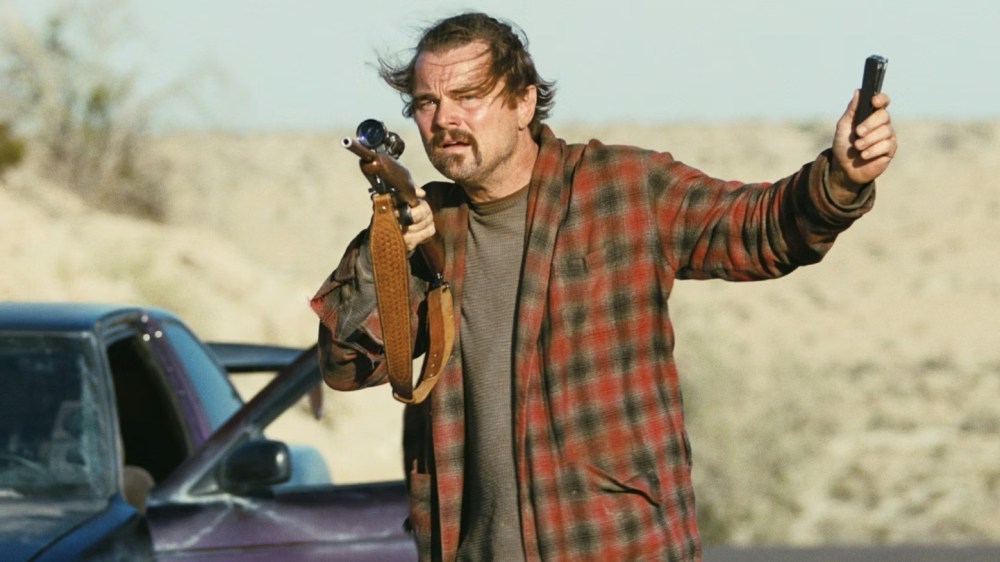
Paul Thomas Anderson’s thriller is one of the most incendiary films released by a mainstream studio in decades, the sort of movie that corporate manhandling and politically-motivated media censorship seems to be making disappear before our eyes. It’s less a star vehicle for Leonardo DiCaprio, who plays a former member of a revolutionary group known as the French 75 who is called back into action when he and his teenage daughter Willa (Chase Infiniti) are tracked down by the sadistic military officer who has been pursuing them for years (Sean Penn), and more an ensemble piece that’s as funny as it is a keen marriage of the paranoid thrillers that dominated the 1970s with current issues that run the gamut from immigration to corrupt politicians to white supremacy. Anderson has never been a political filmmaker, but he brings his eye for character and sense of place that made him one of my favorite working directions long ago to a timely story (based on Thomas Pynchon’s novel Vineland) that lifts up the actions of those (particularly people of color) perpetually striving to make the world around them a better place— whatever it takes.
- THE SECRET AGENT
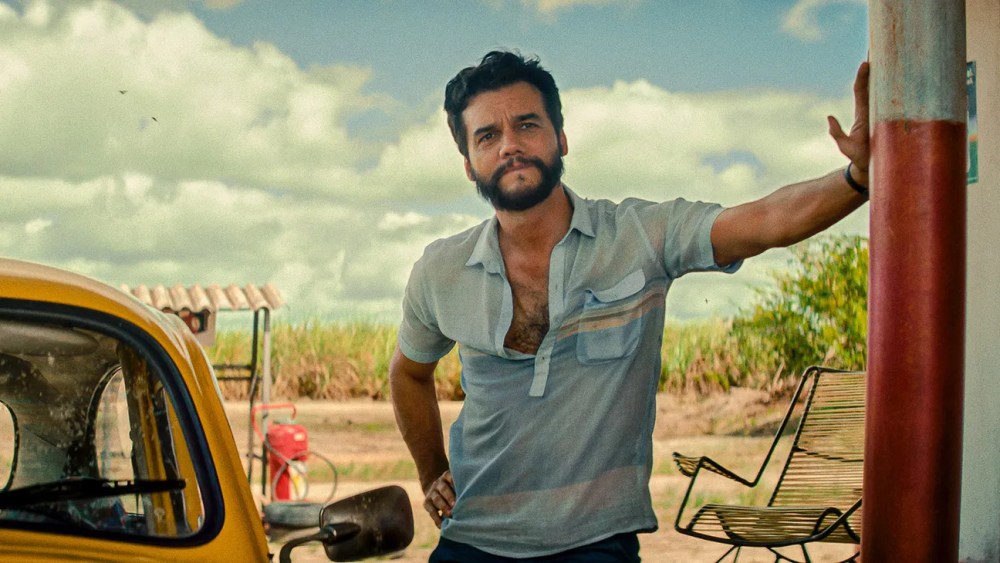
Set in 1977 Brazil in the midst of the country’s turbulent military dictatorship, Kleber Mendonça Filho’s neo-noir thriller is a bit of a misnomer— but that’s right in line with the film’s dismantling of genre tropes as it uses that backdrop to telling a very human and frequently personal story. Set and shot in Mendonça’s hometown of Recife, an electrifying Wagner Moura plays Armando, a former teacher who arrives in the city during carnival as a political refugee. As smart as he is broken, Armando adopts an alias while working at the city’s social registration archive and is pursued by hitmen, while trying to get his young son (currently living with his grandfather, the proprietor of a local movie theater) back into his life. The Secret Agent’s lack of a coherent or straightforward narrative may turn some viewers off; I say that, paired with some surreal touches and a brilliantly employed framing device that arrives late in the film, makes it one of the most compelling cinema experiences I’ve had this year.
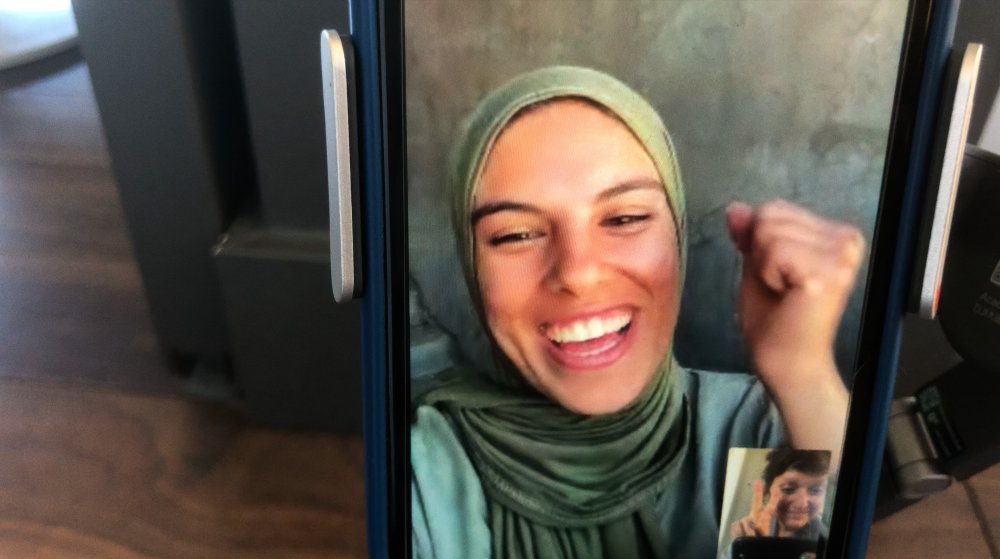
Sepideh Farsi’s documentary chronicling a year’s worth of WhatsApp video calls with Palestinian photojournalist Fatima Hassouna is perhaps the most essential film of 2025. Those watching Put Your Soul on Your Hand and Walk will likely go into the film knowing that Hassouna and her family were killed by an Israeli air strike the day after Farsi’s film was accepted into the Cannes Film Festival. It’s both an intimate look at the ongoing genocide in Gaza from the outside in— we witness firsthand how the war takes a mental and physical toll on Hassouna and her family, living in north Gaza, over time— and a moving tribute to and archive of Hassouna and her work, giving space to showcase her poetry and photography. Farsi also takes an inventive approach to visually depicting their conversations, filming her phone as opposed to recording her screen to illustrate the tenuous nature of the technology keeping the pair connected while calling attention to our own privilege and helplessness to do anything but watch the conflict unfold.
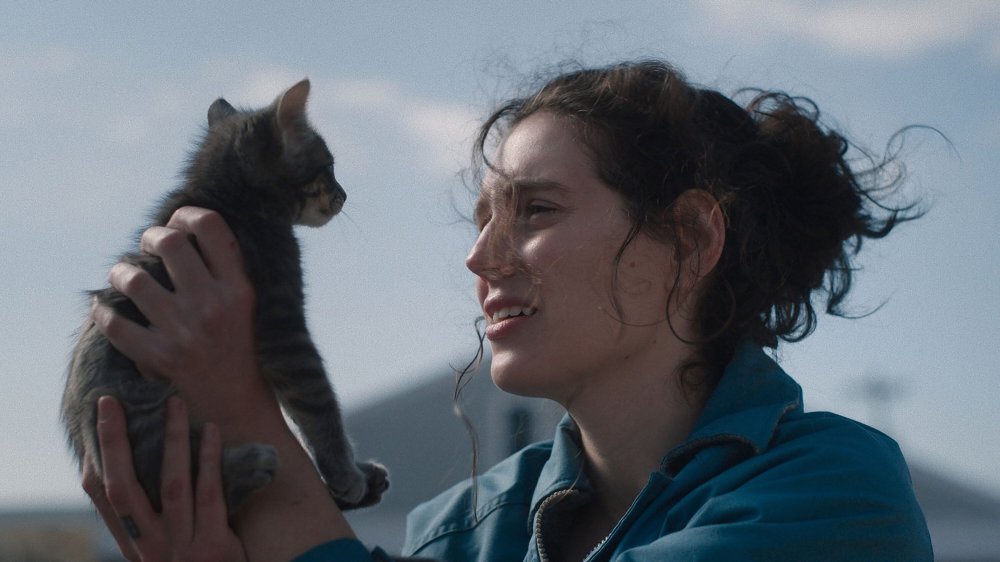
Eva Victor’s directorial debut centers around a college professor Agnes (played by Victor) looking back on the trauma wrought by a sexual assault they experienced at the hands of their teacher when they were a literature student at that same college. Victor’s film, which deftly balances weighty subject matter with a wry sense of humor, is an incredibly affecting depiction of how one horrible incident can consume you, but also how those around you— friends, strangers, even a cat— can give your life value where you thought it didn’t have any.
- IF I HAD LEGS I’D KICK YOU
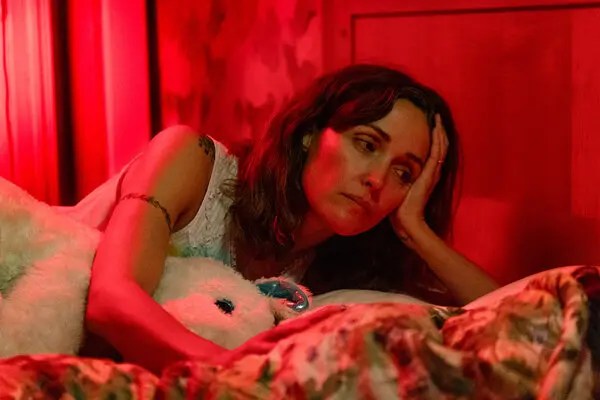
Rose Byrne’s committed performance as a stressed-out mom in Mary Bronstein’s psychological drama is among the very best of the year. And Bronstein alternates between depicting the day-to-day life of her character, Linda— whose jerk of a husband is constantly away on work trips, who is left alone to care for their young daughter who is suffering from a mysterious illness that requires a feeding tube, who has to move into a hotel when her apartment building floods and the roof caves in, who works as a therapist and has to contend with her own patients’ problems on top of hers, while her own therapist (an effectively salty Conan O’Brien) grows increasingly distant and incapable of hearing her— with a hallucinatory sheen that places the audience in her addled state of mind, and a heart-palpitating assemblage of quick cuts, gross-out visuals and piercing, overlapping audio that leans hard into discomfort an absurdity. It’s less a cautionary tale against having children, and more a scream for help and understanding from a woman whose life has flown out of her hands.
- IT WAS JUST AN ACCIDENT
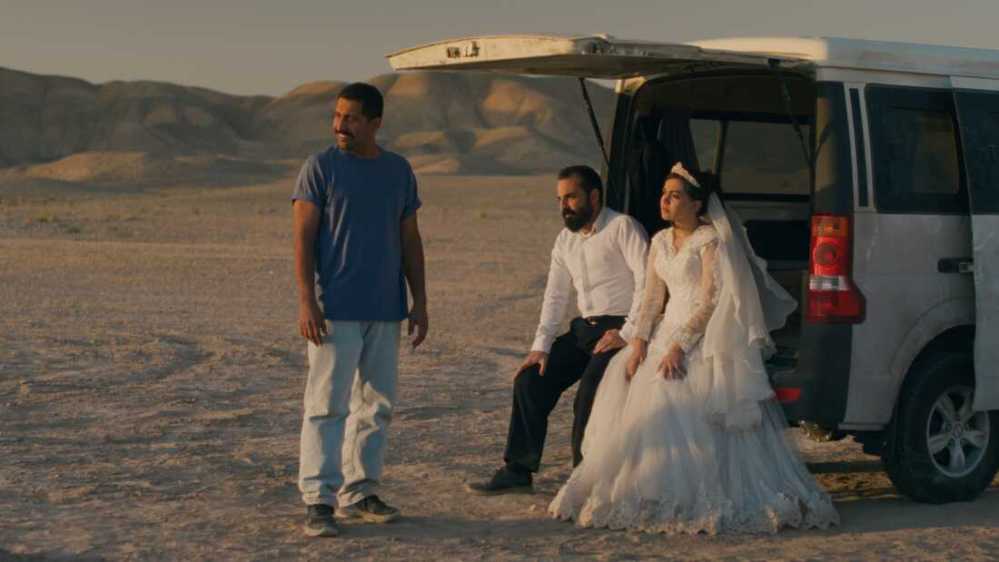
Filmed in secret and without obtaining permission from the Iranian government, the production of Jafar Panahi’s Palme d’Or-winning feature is as interesting as and integral to the film as the story that unfolds on screen. The action kicks off when a man takes his car to a shop after running over a dog; the repairman, on the basis of the sound of the customer’s prosthetic leg, suspects he may be the man who tortured him and others in an Iranian prison. Marrying clear critique of the country’s current regime— a running theme in Panahi’s work— with farce, It Was Just An Accident never sacrifices entertainment value in its masterfully blistering examination of politics, revenge, and humanity.
- SENTIMENTAL VALUE
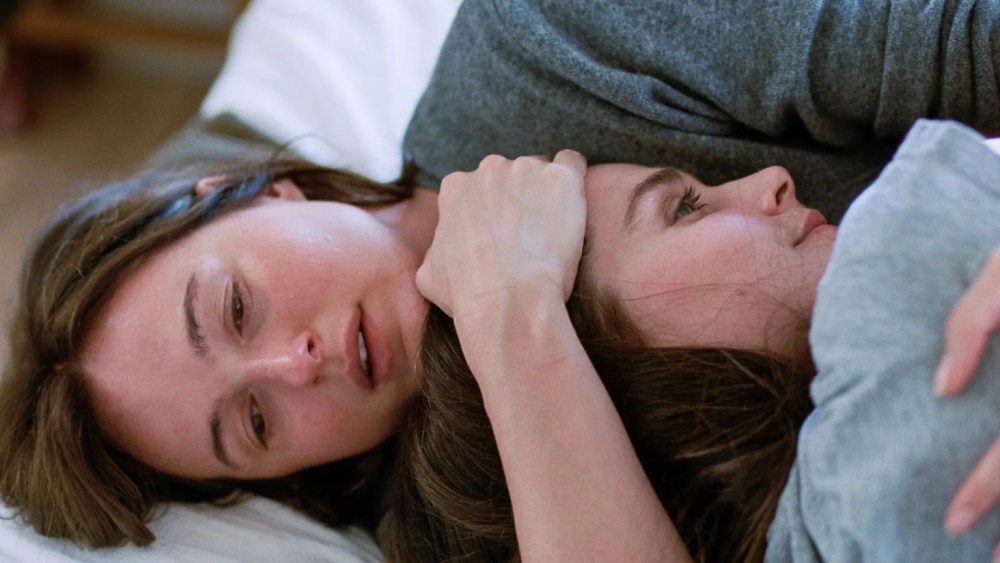
To call Joachim Trier’s film a restorative power of art movie feels like almost too trite a term for a story that wrestles with seismic levels of pain with almost quiet transcendence. Sentimental Value centers around the reentrance of a long-absent film director father (Stellan Skarsgård) into the lives of his daughters following the death of their mother. Agnes (Inga Ibsdotter Lilleaas) is a historian, married with a young son. Nora (Renate Reinsve) is an actress, and her father wants her to star in a movie he wrote for her, but becomes tangled up with a fresh-faced American actress (Elle Fanning) when Nora refuses to work with him. Trier directs one of the most brilliant ensemble casts of the year to an affecting reckoning with multigenerational trauma, love, and loneliness in this layered drama that is as crowd-pleasing and gently funny as it is incredibly moving.
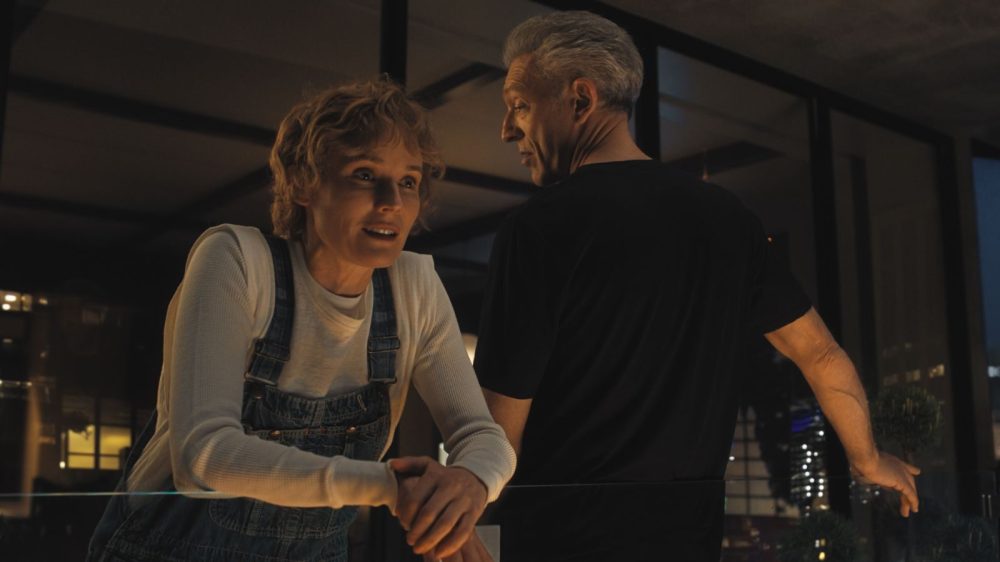
Count me among the five people who absolutely loved David Cronenberg’s newest film, which marries his signature body horror and twisted sense of humor with a deeply felt study of grief and loss, a response to the death of Cronenberg’s own wife of 43 years. Vincent Cassel— who plays both the film’s deadpan humor and melancholy with aplomb— plays the creator of “Gravetech,” a tombstone he invented following the death of his wife from cancer that broadcasts live, 3D feeds of the deceased’s decomposing corpse. He gets tied up in both a corporate mystery and the sister of his wife (Diane Kruger, who plays multiple roles and delivers some of my favorite line readings of the year), but the real draw here is Cronenberg telling a personal story the way only Cronenberg can.

- NO OTHER CHOICE
Korean auteur Park Chan-wook’s latest feature was my most anticipated premiere when I attended the Venice Film Festival earlier this year, and I wasn’t disappointed. This tale of a veteran employee of a paper manufacturing company (portrayed by Lee Byung-hun in a performance that calls him to play everything from hapless to calculating to despair to anger) who is abruptly laid off after 25 years and sets out to eliminate his competition, is based on a 1997 Donald Westlake novel and was previous adapted for the screen in 2005 by Costa-Gavras, but Park puts his own spin on it. No Other Choice satirizes the desperate climb to the top of the corporate ladder with a wicked sense of humor that often takes surprising turns (including an active and at times scene-stealing part for Son Ye-jin in what could easily have been a thankless wife role), but given the evolving state of the job market in relation to our growing reliance on tech, it couldn’t be more relevant, and it’s ending couldn’t feel more somber.
- BLUE MOON
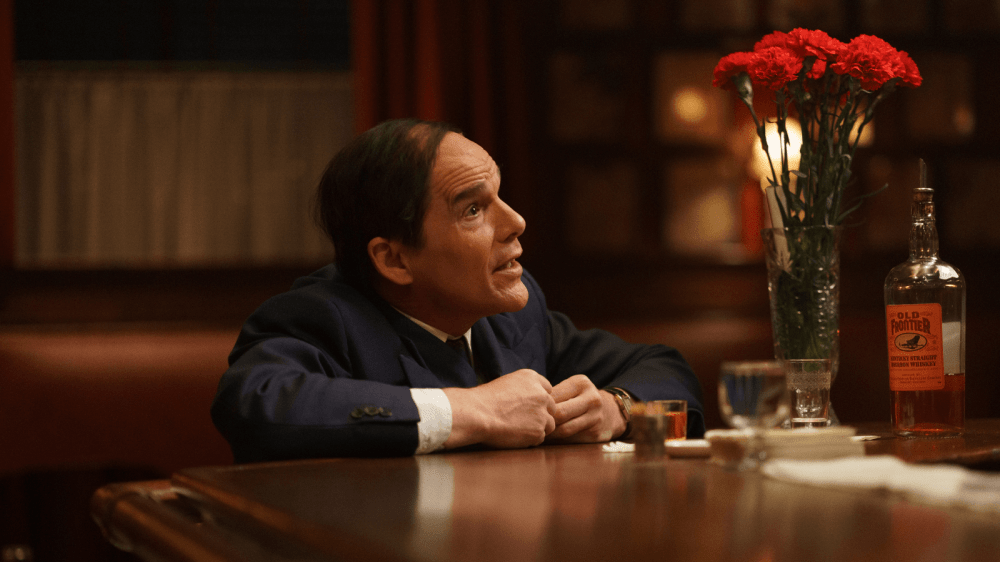
Richard Linklater, the king of the hang-out movie, and Ethan Hawke, his frequent collaborator in front of the camera, reunite to create this riveting character piece, set in 1943 in Sardi’s restaurant on the opening night of a new Broadway musical, Oklahoma! The show, now a classic of American musical theaters, was written by Richard Rodgers and Oscar Hammerstein II, leaving Rodgers’ former creative partner, lyricist Lorenz Hart (Hawke) behind. Hart, a depressed alcoholic whose habits nudged Rodgers to find a new partner in the first place, died of pneumonia later in 1943, but in Blue Moon— based on letters exchanged between Hart and Yale art student Elizabeth Weiland, played here by Margaret Qualley, and set over the course of one evening— his haunted past and hopes for the future collide. This tender ode to art and life and the struggles inherent in both is bolstered by supporting performances from the likes of Andrew Scott, Bobby Cannavale, and Patrick Kennedy, but it’s a particularly wondrous showcase for Hawke, who has so often over the years proven to be an intelligent and giving artist both on and off the screen.
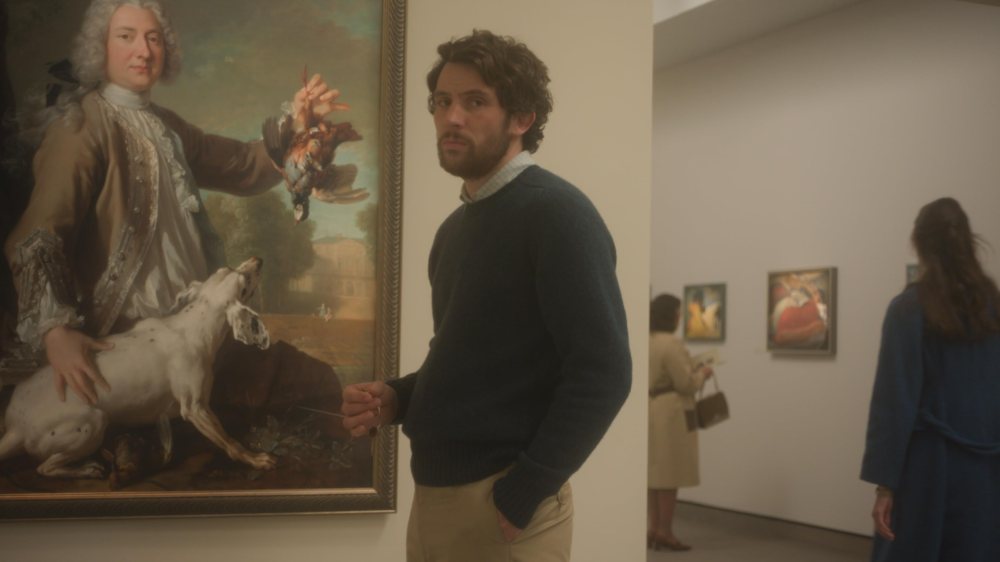
I’m not one bit surprised that Kelly Reichardt’s 70s-set slow heist movie was exactly my jam. I was still taken aback by how sharply observed it is, specifically regarding the detachedness of the average middle-class American in relation to the politics of the world at large, and the rebellion of one individual versus the work of an entire community. Josh O’Connor, in one of several home runs for the actor this year, is perfectly cast as a unemployed carpenter who schemes to steal four abstract paintings from the art museum in his small Massachusetts town, only for the job to go south before it even begins. The film’s laconic pace is accented by its smooth jazz score, but its title— not unlike The Secret Agent— proves to be a delightful misdirect, made plain by the film’s stunning black comic ending, one of the sickest jokes I’ve seen in any movie this year.
- REFLECTION IN A DEAD DIAMOND
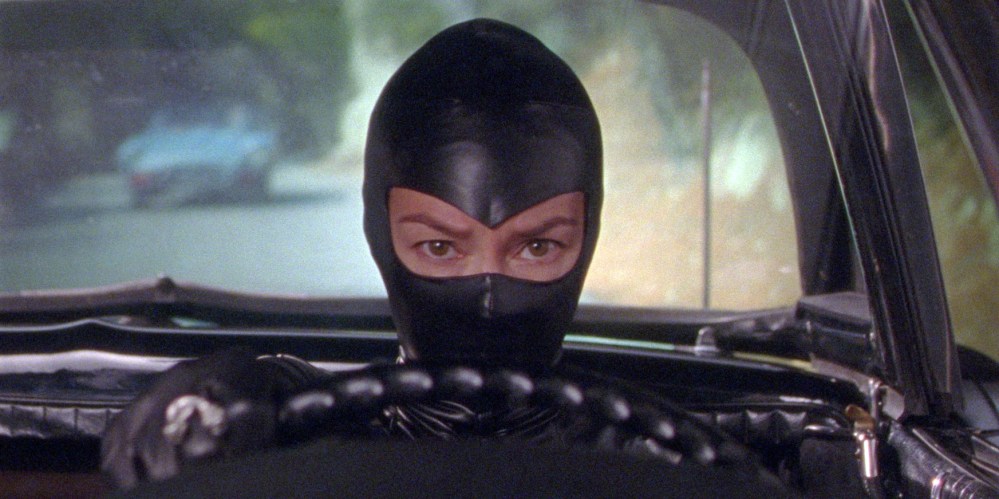
What if Mario Bava directed a spiritual sequel to Danger: Diabolik that maintained its retro style and comic book sensibilities but was also a surprisingly gnarly and frequently hallucinatory old man movie about confronting your past with a meta, reality-and-fiction-blurring edge? French filmmakers Hélène Cattet and Bruno Forzani’s homage to 1960s Eurospy movies centers around John Diman (Fabio Testi, and played by in flashbacks by Yannick Renier), an elderly, retired spy living in a hotel on the French Riviera whose past comes rushing back at him when the beautiful young neighbor he becomes infatuated with suddenly vanishes. That’s the loose framework, anyway. Reflection in a Dead Diamond wastes little time relinquishing coherent plot in favor of cool vibes; it’s chock full of split screens and animations and comic panel interludes and quick cuts and rear projection and bright primary colors and trippy kaleidoscopic imagery. Sure, its muchness is much, to a point that verges on sensory assault, but I’d argue that there is just enough of a narrative hold communicated through its melancholic nostalgia to pull the audience through this fractured, fascinating, and endless inventive and arresting feature.
- THE TESTAMENT OF ANN LEE
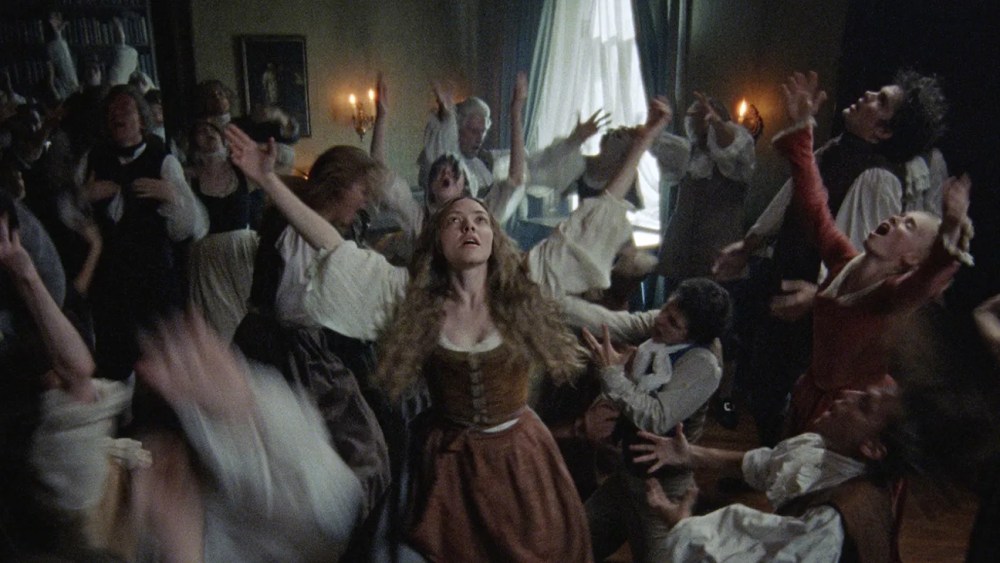
In a world starving for daring original movie musicals, Mona Fastvold has arrived with a four course meal. Her screenplay with Brady Corbet, choreography by Celia Rowlson-Hall, and music by Daniel Blumberg that draws heavily on Shaker hyms unite to tell the story of Ann Lee (Amanda Seyfried, who harnesses both strength and vulnerability in her rapturous lead performance), the founder of the religious sect known for their ecstatic methods of worship and radical ideas, including gender equality. It’s a film that glances at the struggles of women and mothers as well as the rotted core of the systems that American is founded on with visceral intensity, while celebrating the physicality of its performers, resulting in a film that is at times tonally strange, but ravishingly so.
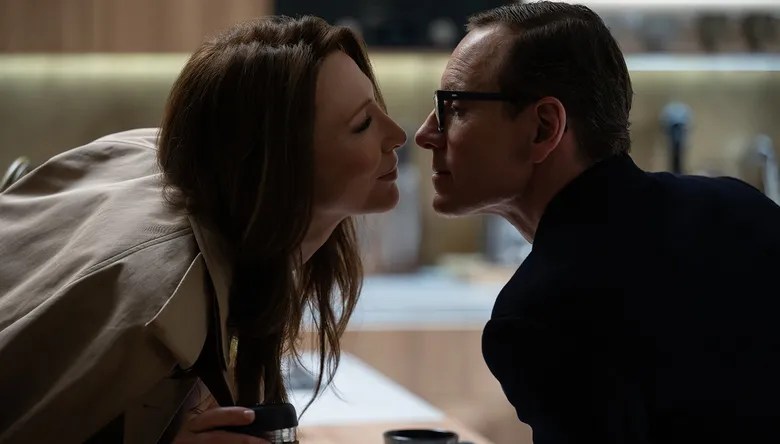
Steven Soderbergh’s lean spy thriller zips by on the wit of David Koepp’s punchy screenplay and the charisma and chemistry of its cast. Michael Fassbender and Cate Blanchett play married spies whose lives, careers, and relationship are catapulted into uncertain territory when the former is tasked with investigating the latter. Character dynamics take precedence over action in this sleekly-designed and tautly directed espionage caper that takes pleasure in the simple act of looking. It’s a film of a vintage we don’t see much of anymore, but are sorely missed.

I’ve never seen a Wes Anderson movie I didn’t like, and with The Phoenician Scheme— while not as structurally inventive as Anderson’s previous Asteroid City— the director continues to evolve his style, crafting perhaps his most philosophical film to date while building on his recurring themes of fraught family dynamics. Benicio del Toro and Mia Threapleton are endlessly watchable as a cutthroat businessman and his estranged Catholic novice daughter trying to pull off an ambitious infrastructure project in Phoenicia. Like most Anderson movies, The Phoenician Scheme is delicately designed, boasts an all-star ensemble cast, and is brimming with dry humor, and while the narrative is perhaps as overly complicated as the job the characters are involved in, it all works in service of the sincere emotions at its core: love, forgiveness, and the desire to live a meaningful life.
- APRIL
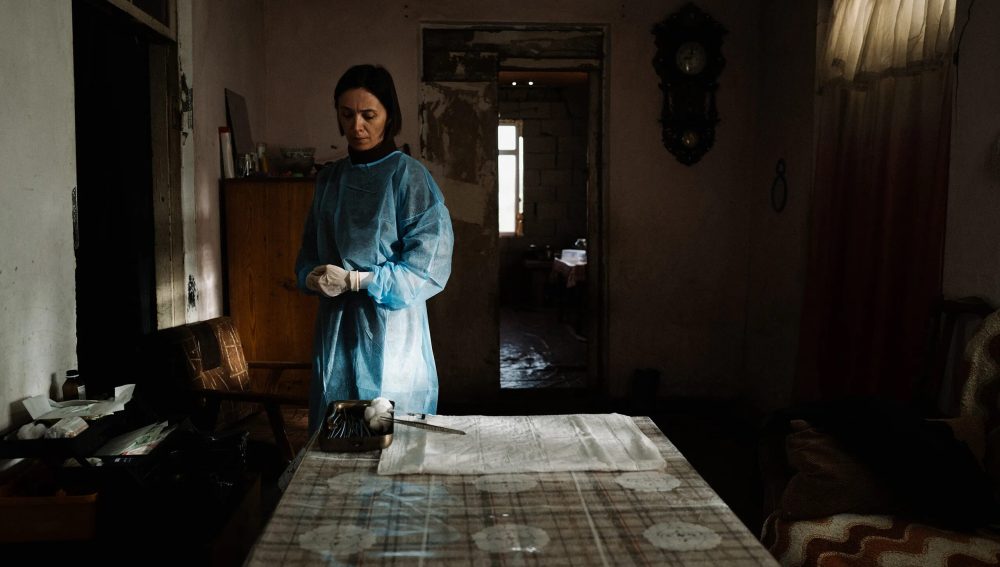
Georgian filmmaker Dea Kulumbegashvili’s pro-abortion drama is unflinching; it opens with an aerial shot of a live birth, after all. But this challenging story of a rural obstetrician who finds herself facing allegations after a newborn she delivers dies is a vital watch. April is gorgeously shot and incredibly patient, Kulumbegashvili frequently utilizing long take that lean into the excruciating nature of the story. Possessing heavy shades of Chantal Ackerman in both style and theme, it’s a pressing look at how women living under an oppressive patriarchy— working women, housewives, and young girls— have to fight for their right to existence.
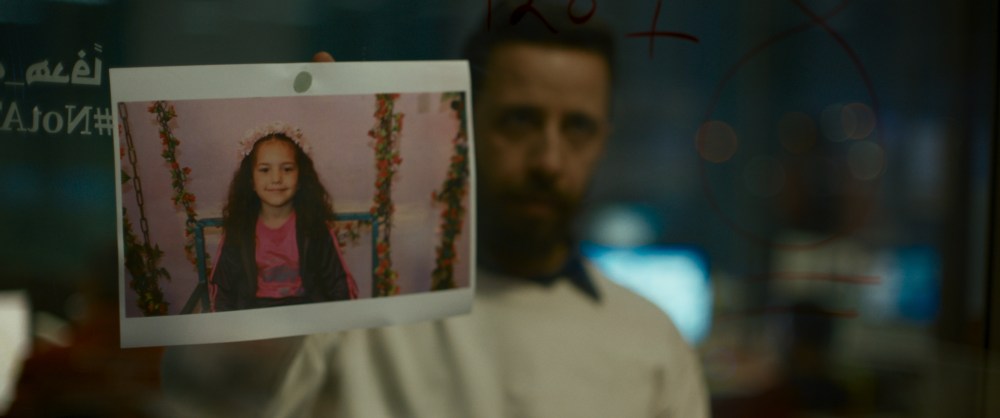
This gripping, heart-wrenching account of the events of January 29, 2024, when Palestinian Red Crescent volunteers received an emergency call from six-year-old Hind Rajab, trapped in a car bombed by Israeli forces that killed the rest of her family, merges the actual audio from Hind’s 911 calls with a narrative account of the workers’ efforts to save her. Tunisian director Kaouther Ben Hania is no stranger to docudrama (her 2024 film Four Daughters was nominated for Best Documentary Feature at the Oscars), and she expertly avoids dipping into exploitation territory here by locating the action entirely at the Red Crescent offices, allowing the audience to wholly concentrate on the humanity and helplessness of the emergency responders as they are forced to navigate the endless red tape that steals precious time away from Hind’s rescue, while preserving Hind’s voice and memory for posterity.
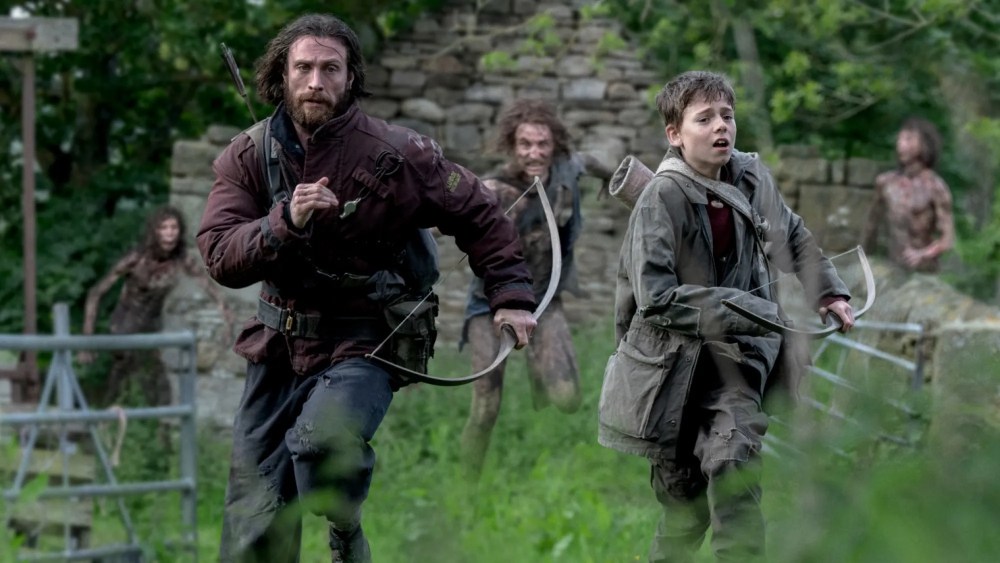
As someone with little investment in or nostalgia for the Danny Boyle-directed, Alex Garland-penned horror series involving the outbreak of a virus that turns the infected into zombies, I was sort of knocked out by 28 Years Later, which is propulsive in all the right spots, brimming with hope of humanity in spite of its dystopian setting, and touches on intriguing ideas about regressivism and isolationism. The film delightfully subverts expectations, setting itself up to be a quest movie about a father and son (Alfie Williams, turning in one of the year’s most mature youth performances) and quickly making a hard turn into being a quest movie about a mother (Jodie Comer) and son. This isn’t a zombie movie; it’s a moving coming-of-age story about letting go and making your own path, all skillfully wrapped up in the guise of a summer blockbuster.
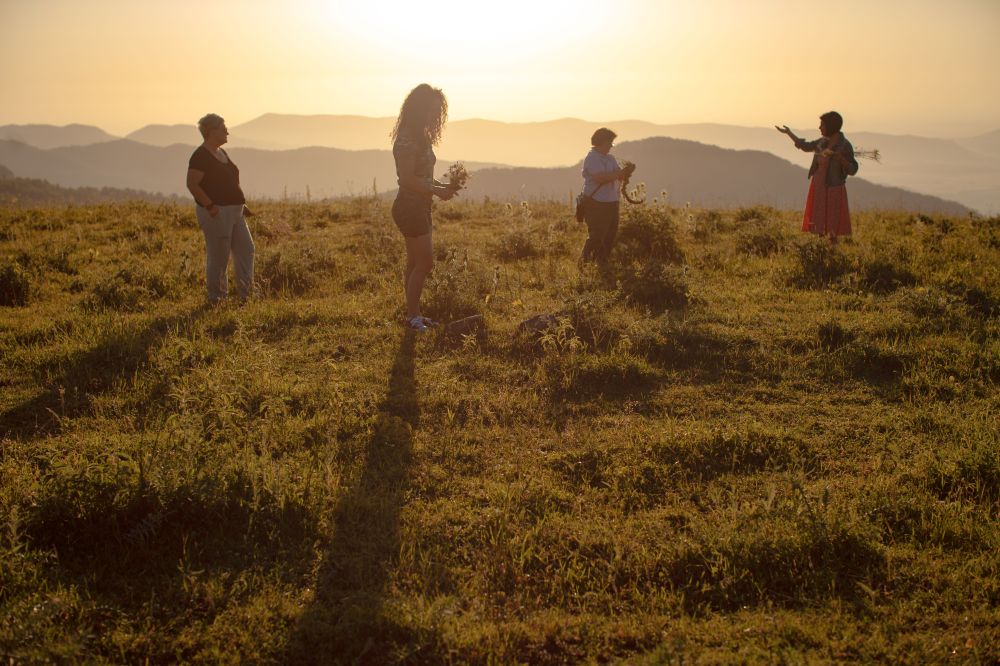
I first watched Emily Mkrtichian’s documentary at its world premiere at the 2024 True/False Film Festival, and I’m so glad that it has finally been released (with theatrically screenings occurring internationally into 2026) so that more people will hopefully discover it. Mkrtichian’s film traces the lives of four Armenian women from the now-nonexistent Republic of Artsakh— an up-and-coming politician, a mother who makes a living disarming mines leftover from the war with neighboring Azerbaijan in the early 1990s, a world-class martial artist, and the founder of the country’s only women’s center— immersing the viewer in their day-to-day existence beginning in 2018, then showing how those lives are shaken up and must adapt when a new war breaks out in 2020. With its fairytale framework (“there was, there was not” is the Armenian equivalent to “once upon a time”), There Was, There Was Not works on multiple levels: raising awareness for the rapid ethnic cleansing occurring in the region, depicting the incredible work and resilience of women to fight for their country and their equality, and serving as an elegiac ode to a place that once was.
- ALL THAT’S LEFT OF YOU
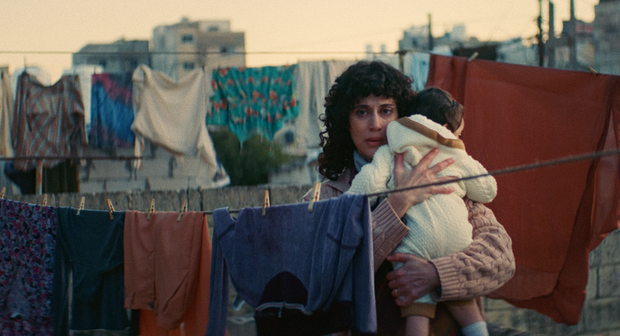
Propulsive from the jump, Cherien Dabis’ epic traces three generations of a Palestinian family through the Israeli-Palestinian conflict, from the 1948 Nabka to a West Bank protest in the 1980s to the near-present day, where the violent erasure of Palestinian people is ongoing. This beautifully textured film and intriguingly structured film (it begins in the middle before flashing way back, then forward) is part historical education, part mournful look at the dehumanizing effects and traumatic impact of being forcibly pushed from your homeland, and part maddening depiction of the bureaucracy that stands in the way of human life, and one impossible decision it forces parents to make. All That’s Left of You asks a lot of profound questions that it can’t always answer, but it communicates the pain and the pride of its subjects so clearly it leaves a lasting impression regardless of any faults.
More favorites:
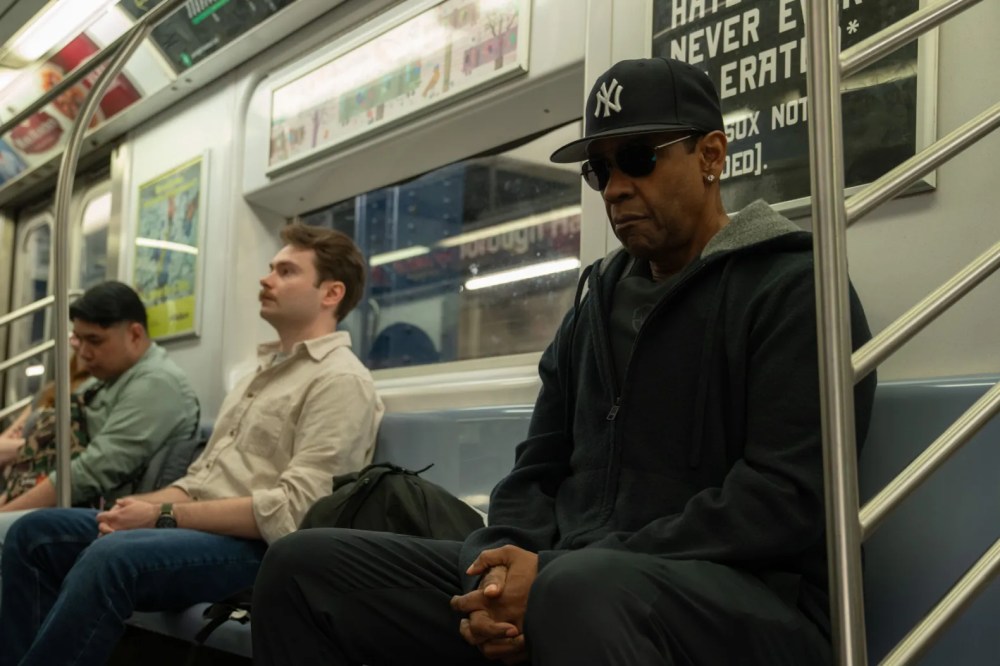
HIGHEST 2 LOWEST dir. Spike Lee
WTO/99 dir. Ian Bell
TEENAGE WASTELAND dirs. Jesse Moss and Amanda McBaine
THE TALE OF SILYAN dir. Tamara Kotevksa
FATHER MOTHER SISTER BROTHER dir. Jim Jarmusch
NOUVELLE VAGUE dir. Richard Linklater
SEEDS dir. Brittany Shyne
COVER-UP dirs. Laura Poitras and Mark Oberhaus
EEPHUS dir. Carson Lund
MICKEY 17 dir. Bong Joon-Ho
WAKE UP DEAD MAN dir. Rian Johnson
SEVEN VEILS dir. Atom Egoyan
HAPPYEND dir. Neo Sora
DIE MY LOVE dir. Lynne Ramsay
THE PERFECT NEIGHBOR dir. Geeta Gandbhir

 Katie at the Movies
I really appreciate this list! I’m way behind on films released last year, so I’m going to save it and try to watch as many of the movies you mentioned as I can. The only ones I’ve seen so far are 28 Years Later and The Shrouds, both of which I liked a lot. Thanks again!
LikeLiked by 1 person
Oh great, I’m glad to hear it! Even I feel like I’m still catching up with movies from last year and finding more I really liked.
LikeLiked by 1 person