The image on the screen is familiar: two lions, one big, one small, sitting side-by-side on a hill, gazing out over the land below them. The language, however, is different. When we first meet Fernando Valencia, an Indigenous voice artist from the Peruvian Andes, he’s working on dubbing a scene from the classic 1994 Disney animated feature The Lion King into Quechua, the ancestral language of the Incas. Despite being the most spoken language in Peru after Spanish, there’s a decided lack of media that it’s been translated into, contributing to its endangered status. It’s an issue that Valencia seeks to change— at the start of Runa Simi, the debut documentary feature from Peruvian director Augusto Zegarra, Valencia has already launched his viral Quechua Clips project, translating scenes from popular movies, like Ice Age and Star Wars, into the language. Having experienced a groundswell of support for that, Valencia sets his sights on the more ambitious feat of dubbing the entire feature. It’s a project he shares with his eight-year-old son Dylan, who he is a single father to, balancing raising him with his passion project. Their bond is established immediately, Valencia coaching Dylan through achieving just the right cadence, vocal tone, and pronunciation to voice young Simba in that scene that opens the movie. In a charming scene that follows, Valencia performs the voices of all of the Lion King characters for Dylan while carrying the child on his shoulders.
Zegarra stays close to Valencia (who also works at a radio station creating content in Quechua) throughout the film, capturing firsthand the struggles and frustration of mounting The Lion King translation— namely, getting a hold of someone, anyone, at The Walt Disney Company to grant him the rights. The realities of navigating a capitalist-driven corporation in the name of art are never shied away from. If anything, it’s a key point of Runa Simi (which translates to “language of the people”) which in one particularly eye-opening scene shares audio from the meeting Valencia finally achieves with an executive, who speaks plainly: studios just aren’t looking to spend money on dubbing their existing projects into another language. It lends a wry note to a phone call Valencia places early in the film to Disney customer service, the agent on the other end delivering a flat “Have a magical day” before transferring him to another line that goes nowhere.
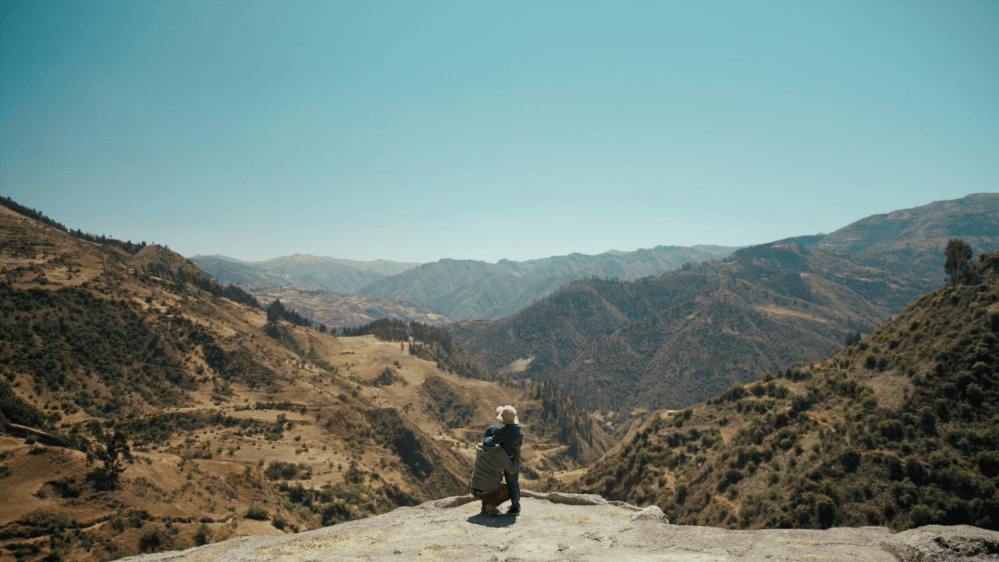
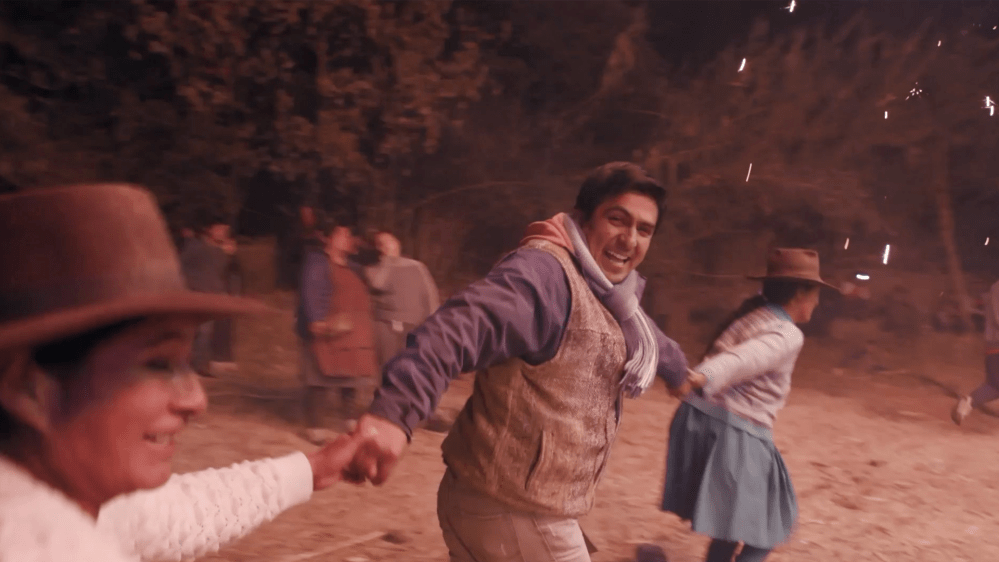
But Runa Simi is more about the community Valencia forms around him. In between the logistical battles, we see him and Dylan audition actors for the dub. The way Valencia interacts with his son and clearly values his opinion on whose voices most suit what character is tenderly rendered. Zegarra takes it a step further, portraying their father/son relationship as running parallel to that of Mufasa and Simba in The Lion King. These segues easily could have read as being overly staged— Valencia and Dylan gazing at the stars, or sitting side-by-side on the hills, looking out over the natural landscape they call home in a shot that mirrors that of the movie— so it speaks to the sincerity of the interactions Zegarra’s captures that they largely don’t. There’s a lot of cultural specificity here; early in the film, we follow Valencia on a trip to his favorite mountain, where he conducts a ritual asking Mother Earth that all will go well on his upcoming mission. Community dances and music and gatherings are a staple throughout. But ultimately, by zeroing in on this one instance of language preservation, and depicting the real grassroots campaign that goes into it— Valencia literally takes to the streets himself to invite locals to a screening of the movie, and tries reaching out to anyone on social media who will respond— Runa Simi crafts an effective plea for the importance of language preservation at large, made all the more pressing by the question marks in its ending (although the film still swerves toward the expected rousing crowd-pleasing finale). Valencia sums up how integral it is for self-expression and cultural representation best: “In Spanish I can do many things, but in Quechua I can say what I really feel.”
Runa Simi had its world premiere at the 2025 Tribeca Film Festival. Runtime: 81 minutes.


